Building a PC has always been about performance. Overclocking, benchmarking, airflow optimization—these are the conversations that have long dominated the space. But in recent years, something has shifted. The rise of minimalist setups, RGB lighting, custom cables, and tempered glass side panels has brought design into the foreground. We’re no longer just building machines that run fast. We’re building machines that look damn good doing it. Welcome to the era where aesthetics matter as much as specs, and where the line between form and function has blurred.
This isn’t just a trend. It’s a movement. Aesthetic PC building is now a legitimate subculture within the larger DIY community. It reflects a deeper shift in how people relate to technology—not just as tools, but as extensions of personal style and identity. Just like someone might curate the perfect desk setup or choose a smartphone case that matches their vibe, PC builders are investing time, energy, and money into machines that feel like them. And that changes everything about how builds are approached.
Beyond the Specs: Why Looks Matter

It’s easy to dismiss aesthetic PC building as superficial, especially if you’re someone who’s been chasing raw performance for years. But there’s something undeniably satisfying about a clean, balanced, and visually cohesive build. Whether it’s an all-white setup with subtle lighting or a bold, cyberpunk-inspired rig, the look of a PC can enhance the entire experience of using it. When form complements function, it creates a kind of harmony that goes beyond what benchmarks can measure.
Part of this appeal comes from the fact that the PC is no longer just under a desk collecting dust. Thanks to smaller cases, wall mounts, and clean cable management, the PC is now part of the room’s design. For streamers, content creators, and gamers who spend hours at their desk, aesthetics are not an afterthought. They’re central to the workspace. When your gear looks good, it feels better to use. There’s a psychological edge to working or gaming on a machine that reflects your taste and creativity. Even scientific workstations designed for tasks like analyzing PCR reagents are now being built with aesthetics in mind.
The Components That Shape Style
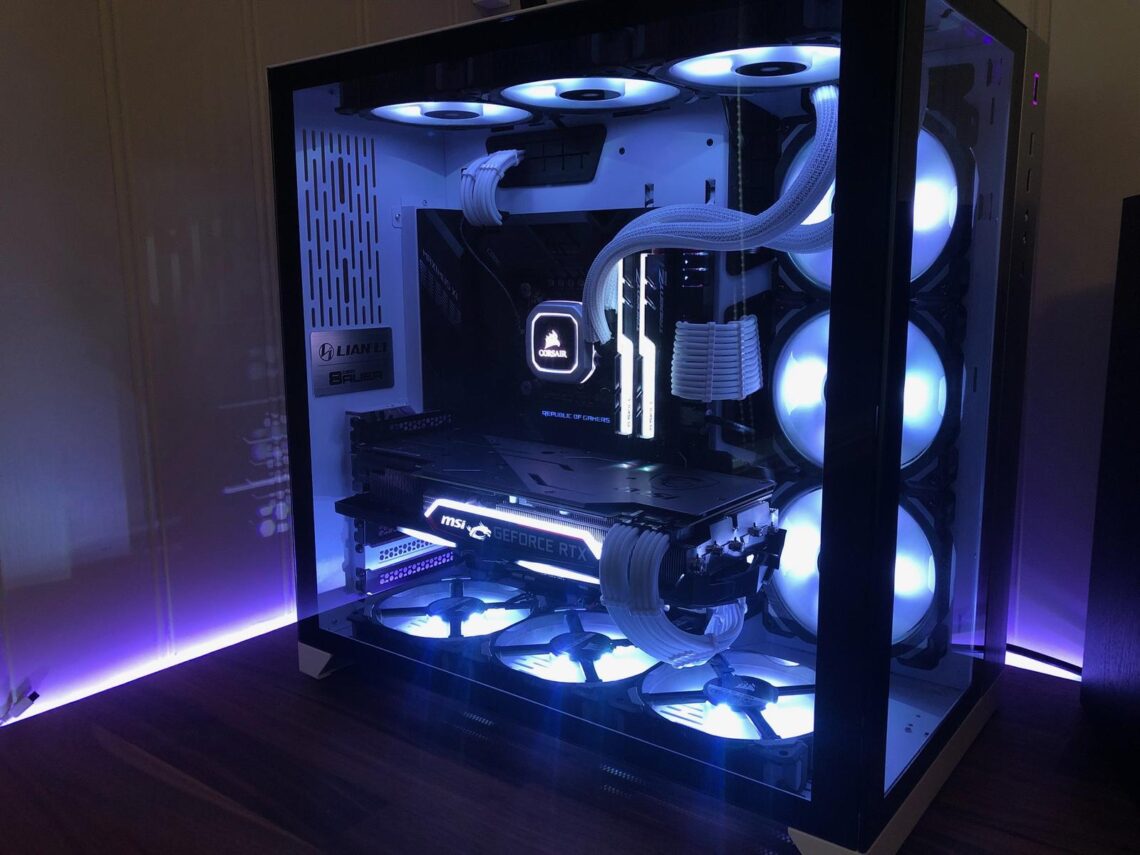
Everything starts with the case. This is the foundation of any aesthetic build, and it sets the tone for the entire project. Whether it’s a sleek Fractal Design chassis or a bold Lian Li showcase, the case dictates what kind of visual narrative the build will tell. Tempered glass panels have become a staple, not just for their premium feel but because they let the interior of the PC become part of the exterior design. It invites people to look inside and admire the build itself as a piece of functional art.
Then there’s lighting. RGB used to be a gimmick, but now it’s a precision tool in the hands of the right builder. When done well, lighting is subtle, dynamic, and immersive, not gaudy or overpowering. Tools like Corsair iCUE and ASUS Aura Sync let you customize lighting profiles with surgical precision, matching your rig’s glow to the rest of your setup or even your mood. This level of detail and craftsmanship is also evident in projects like patio construction in Danbury, where thoughtful design and precision truly shine.
Cables, often ignored in basic builds, become essential in aesthetic setups. Sleeved cables in coordinated colors, routed with intention and clean lines, can make or break the look of a build. It’s one of the few areas where a purely functional element can be turned into a visual highlight. Cable management isn’t just about airflow anymore—it’s about presentation.
Cooling is another category that has evolved. AIO liquid coolers and custom loops not only offer thermal advantages but have become visual centerpieces. Clean tubing, colored coolant, and mirror-finish water blocks can be mesmerizing. Fans, once chosen purely for airflow or noise reduction, are now evaluated for their design and how their lighting integrates into the broader theme. Function and form aren’t just coexisting—they’re enhancing each other. In the same way, businesses seeking efficient financial management might consider virtual bookkeeping services to streamline their operations.
Aesthetic Doesn’t Mean Sacrificing Performance
One of the misconceptions about aesthetic PC building is that it’s style over substance. That couldn’t be further from the truth. In fact, many of the most beautiful builds are also high-performance machines, running the latest GPUs, top-tier CPUs, and ultra-fast storage. Just like the latest summer flats fashion, the balance between style and function can enhance your experience. The key difference is the level of planning involved.
You can’t just slap parts together and hope it looks good. You have to think about dimensions, color coordination, lighting synchronization, and airflow dynamics. Every choice, from the type of RAM heatsinks to the GPU support bracket, plays a role in both performance and presentation. And that’s the challenge that makes aesthetic builds so rewarding—you’re solving a puzzle that has to work technically and visually.
This dual-focus approach also cultivates discipline. Builders learn to be meticulous. You don’t just install a cooler; you align it perfectly. You don’t just connect a power cable; you route it behind the motherboard tray to keep the front panel pristine. It’s a mindset shift—from getting it to work to getting it right.
The Rise of the Custom Culture
Social media has been a major driver behind the rise of the aesthetic PC build. Platforms like Instagram, Reddit, and YouTube have become showcases for incredible custom rigs, sparking inspiration and healthy competition. Builders are constantly leveling up their craft, trying to outdo not just others but their own previous creations. In addition, businesses should consider protecting their ventures with business insurance in Georgia to ensure they are covered as they expand their digital presence.
This visibility has also given rise to an entire ecosystem of custom PC modding. From laser-cut panels to vinyl wraps, custom paint jobs, and 3D-printed parts, modders are turning standard components into bespoke design elements. Even small details—like replacing default fan stickers with custom logos—add layers of uniqueness. In many ways, this movement mirrors what’s happened in the car enthusiast world: a blend of performance tuning and visual customization that turns tools into personal expressions.
And it’s not just for pros. Even first-time builders are paying more attention to how their rigs look. Thanks to more accessible tools, better-designed components, and a ton of community resources, aesthetic building has become more inclusive and achievable. You don’t need a thousand-dollar custom loop to have a clean and stylish PC. You just need intention.
The Emotional Payoff
At the end of the day, the reason aesthetic builds matter comes down to one thing: they make people feel good. There’s a deep satisfaction in sitting down in front of a machine you crafted yourself, not just for how it runs but for how it looks and feels. It’s pride, creativity, and functionality wrapped into one.
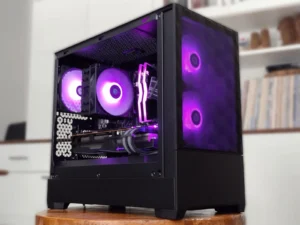
This emotional connection is especially valuable in a time when many people spend long hours in front of their computers. Whether it’s for work, gaming, content creation, or just unwinding, the PC is the heart of the modern digital life. And when that heart beats inside a case that’s been carefully, beautifully assembled, it changes how you relate to it. A well-designed PC case can even help optimize the environment by incorporating elements like low-e window film, which reduces heat and glare from external light.
A well-built PC is a reminder of what’s possible when you merge engineering with design. It’s a piece of technology, yes—but also a canvas. And in a world flooded with mass-produced, impersonal gadgets, that kind of personal touch means something. It stands out.
Where the Future Is Headed
Looking ahead, it’s clear that the aesthetic PC build isn’t a phase—it’s the new normal. Manufacturers are leaning into this, offering components in more colors, with cleaner designs and more customizable features. Cases are becoming more modular. Lighting systems are getting smarter. If you’re seeking additional ways to improve your physical well-being while building, consider integrating physical therapy in Medford to ensure you’re comfortable throughout your creative process. The tools for beautiful builds are only getting better.
And as younger generations continue to enter the space, bringing with them expectations shaped by design-centric brands and social media, the demand for stylish setups will only grow. People don’t want just another black box under their desk. They want something that feels like them—something that fits the vibe of their space and reflects their personality.
In that sense, aesthetic PC building is more than a hobby. It’s a new way of engaging with technology. One that values not just what machines can do, but how they make us feel when we use them. Just like how vacation rental property management blends efficiency with guest satisfaction, the art of building a PC combines form and function to create something truly personal and functional. And that blend of performance and personal expression? That’s where the real magic happens.