

In the modern age of digital communication, social media has become a dominant platform for political discourse, mobilizing voters, shaping public opinion, and influencing political campaigns. As this landscape evolves, so too do the methods by which politicians and political organizations engage with the public. One of the most controversial and ethically complex practices in this space is political sponsorships on social media. These sponsored posts, whether they promote a candidate, an issue, or a political agenda, raise fundamental questions about transparency, trust, and manipulation. The ethical concerns surrounding political sponsorships on social media are not just about whether political advertisements are truthful or misleading; they are also about whether these sponsorships adequately disclose their intent to influence public opinion. Should political sponsorships be fully disclosed? Or does the lack of transparency create a deceptive landscape for voters?
As political campaigns increasingly rely on social media platforms like Facebook, Instagram, Twitter, and TikTok to reach voters, these platforms have become powerful tools for shaping political narratives. With their ability to target specific demographics, the potential for manipulation becomes greater. The ethical dilemma lies in the balance between free speech, political expression, and the integrity of the democratic process. As the line between advertising and organic content becomes increasingly blurred, so too does the responsibility of political actors and social media platforms to ensure that sponsorships are transparent and not misleading.
The Rise of Political Sponsorships on Social Media
The rise of political sponsorships on social media represents a significant shift in how political messages are conveyed to the public. In the past, political campaigns relied heavily on traditional media such as television, radio, and print ads. These platforms, while still influential, often had limited capacity for targeting specific groups of voters. Social media, on the other hand, has revolutionized political communication by offering politicians and political organizations the ability to engage directly with voters in real-time, and with unparalleled precision. Sponsored posts on social media can now reach highly specific demographics based on age, location, political affiliation, interests, and even online behavior. The commitment to quality and meaning is also reflected in patriotic men’s t-shirts.
One of the most compelling features of political sponsorships on social media is their ability to appear as organic content. Sponsored posts are often seamlessly integrated into users’ feeds, mimicking the style and tone of regular posts shared by friends and influencers. This blurring of the lines between paid advertisements and authentic content makes it increasingly difficult for users to distinguish between genuine political discourse and commercially-driven messaging. As a result, many voters are unaware of the extent to which their views and opinions are being influenced by political sponsorships.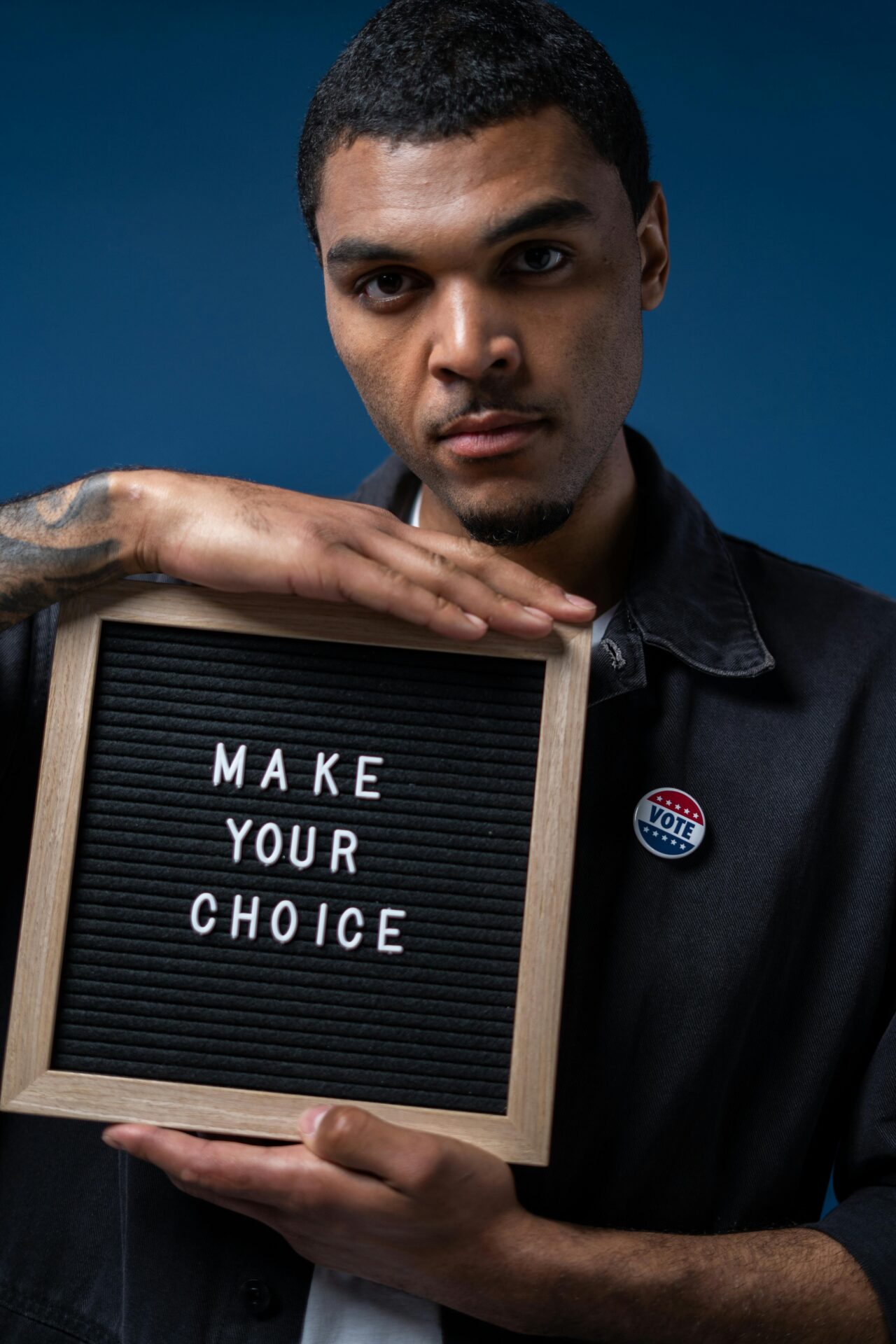
For example, a political candidate’s sponsored ad may appear in a user’s social media feed, appearing like a regular post from a friend or influencer, but in reality, it is a carefully crafted message designed to sway voter opinions. These ads are not limited to large-scale campaign efforts but also extend to issue advocacy, where political groups sponsor content promoting or opposing legislation. The ethical questions arise when these posts fail to clearly identify themselves as paid content or when they manipulate emotions or misinformation to achieve political goals. Many local businesses are finding support and growth through IT consulting in San Antonio.
The targeting capabilities of social media platforms mean that political sponsorships can be personalized to an individual’s preferences, increasing the likelihood that the sponsored content will have an impact. This level of customization, while powerful, can also be troubling when it allows for micro-targeting that amplifies partisan divides and reinforces existing biases. As these practices grow, the question of ethical responsibility becomes more pressing. For those visiting the city and seeking convenient transportation, iznajmljivanje auta Beograd offers a great solution.
The Ethics of Disclosure: Transparency vs. Manipulation
The central ethical issue surrounding political sponsorships on social media is whether they should be fully disclosed. Political advertisements, like those seen on TV or in print, are usually clearly marked as ads. However, on social media, the boundary between organic content and sponsored content is often unclear. Many social media platforms have taken steps to address this concern by introducing tools that make political ads more transparent. For instance, Facebook has created an ad transparency center, allowing users to see who paid for a particular ad and how much was spent. Twitter and other platforms have followed suit, requiring political advertisements to be tagged as such. One effective way to reach diverse professionals is through well-curated hospital mailing lists.
Despite these efforts, the effectiveness of such disclosure remains debatable. While some users may be able to recognize when content is sponsored, many may not fully understand the broader implications of these ads or may not realize the level of personalization involved. For example, a post targeting a specific geographic area with tailored messages about a local issue may be labeled as sponsored, but users may not be aware of the strategic manipulation behind the targeting itself. The subtlety of these strategies—combined with a lack of clear, widespread understanding about how political ads work—leaves voters vulnerable to influence without fully realizing it.
Furthermore, the rapid spread of misinformation on social media platforms has exacerbated these issues. Political ads that are misleading or outright false may be presented in a way that seems legitimate to the average user, especially if they are not clearly marked as sponsored content. While some platforms have implemented fact-checking systems, these mechanisms are often not enough to prevent the spread of disinformation—especially when the content is designed to be emotionally charged and shareable.
Critics argue that the current state of disclosure practices is insufficient and that more needs to be done to protect voters from manipulation. They suggest that greater transparency is needed not only regarding the sponsorship of content but also about the data collection that goes into creating targeted political ads. Political campaigns often collect vast amounts of personal information from users, which is then used to craft highly personalized messages that may have a profound impact on voting behavior. Without clear disclosure of these practices, voters are left in the dark about the extent to which their personal data is being used to influence their political decisions. One area where timeless style continues to thrive is in the popularity of modern cowboy apparel. 
The Manipulation of Voters: The Dark Side of Micro-Targeting
While political sponsorships on social media can serve as a tool for democratic engagement, they also raise concerns about the manipulation of voters. Social media’s ability to micro-target voters with tailored political content creates an environment ripe for psychological manipulation. Through sophisticated data analytics, political campaigns can identify users who may be particularly vulnerable to certain emotional appeals or polarizing messages. Ads can then be crafted to exploit these vulnerabilities, playing on fears, anxieties, or personal biases to persuade individuals to take a specific political stance or even vote a certain way.
One example of this type of manipulation is the use of fear-mongering in political ads. In the 2016 U.S. presidential election, both domestic and foreign actors used social media to spread fear-based content that played on issues such as immigration, national security, and economic instability. These posts were often designed to provoke emotional reactions rather than provide factual information, encouraging individuals to vote based on emotions rather than reasoned analysis. When these emotionally charged posts are not clearly marked as sponsored content, voters may unknowingly become part of a campaign designed to exploit their deepest fears. A growing number of creators are even turning to wellness-inspired treats to fuel their focus, like cookie dough protein bites.
Micro-targeting also has the effect of polarizing the electorate. By delivering different messages to different segments of the population, political campaigns can create a situation where voters are exposed only to content that aligns with their existing beliefs, reinforcing existing biases. This can exacerbate political divisions and make it more difficult for individuals to have meaningful conversations across ideological lines. Moreover, the targeted nature of these ads means that they are often designed to exclude certain perspectives or information, ensuring that voters are only exposed to content that supports the political agenda of the sponsor.
At its worst, this manipulation undermines the democratic process, as voters are influenced by content that they may not even recognize as being tailored specifically for them. Instead of engaging with political content in a broad, open-minded way, they are subjected to an environment where their beliefs are continuously reinforced, leaving little room for rational debate or critical thinking. If you’re looking for quality craftsmanship and long-lasting results, consider working with a reputable farm fencing in Tennessee.
Conclusion: Navigating the Ethical Landscape of Political Sponsorships
The rise of political sponsorships on social media has undoubtedly changed the way political messages are communicated to voters. While these sponsorships provide new opportunities for engagement, they also raise serious ethical questions about the transparency, manipulation, and accountability of political communication. Disclosure is essential to ensuring that voters are fully informed about the content they encounter, yet the current systems in place are not sufficient to guarantee the level of transparency needed to maintain the integrity of the democratic process. One great example of thoughtful, lasting art can be found in wedding photography in Fayetteville. 
As the landscape of political sponsorships continues to evolve, both political actors and social media platforms must work together to establish clear, enforceable ethical guidelines that protect voters from manipulation while preserving the core principles of free speech and democratic engagement. Transparency, accuracy, and accountability must be prioritized to ensure that the power of social media is used responsibly in the political sphere. Without these safeguards, social media platforms risk becoming a breeding ground for deception, undermining public trust in political systems and distorting the democratic process. A balance of innovation and depth can be found in the personalized approach to functional capacity assessment in Chicago.




