
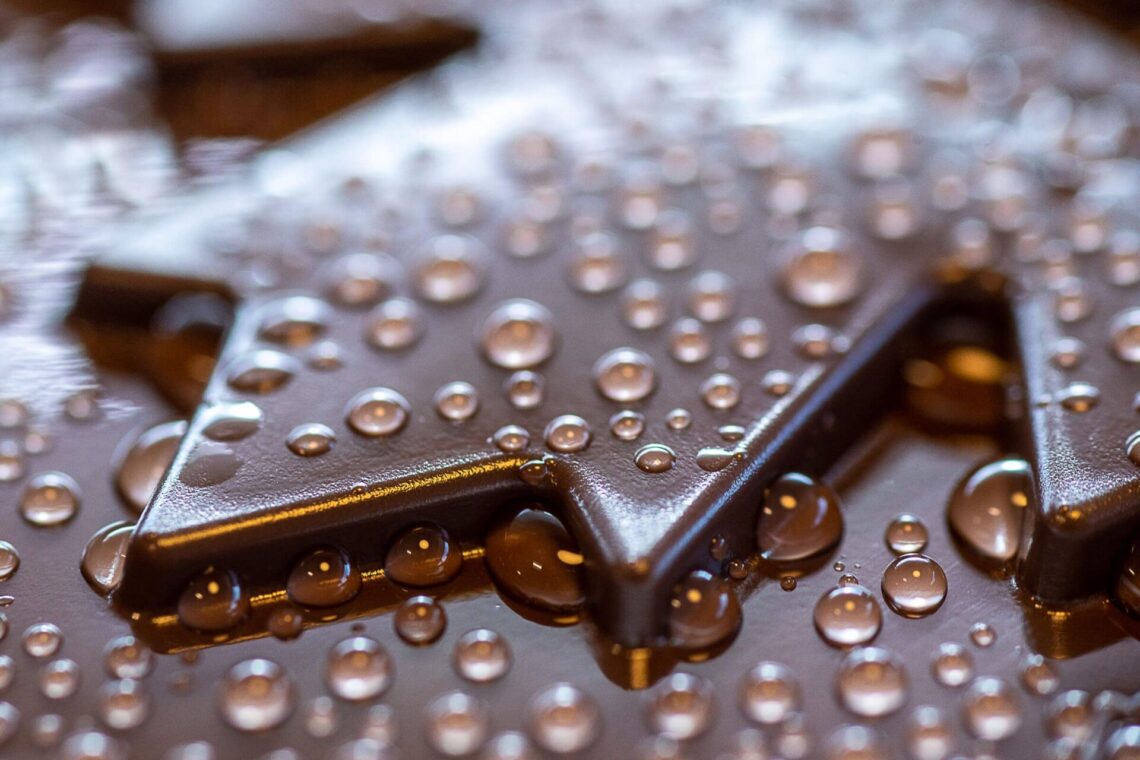
Effective lighting is crucial in micro photography as it significantly impacts the clarity and detail captured in small-scale subjects. Achieving optimal lighting requires understanding various techniques that can enhance the quality of your microphotographs. This article explores essential lighting techniques tailored for micro photography, offering insights into how each method can be utilized to maximize detail and clarity in your images.
Direct Lighting

Direct lighting is a fundamental technique in micro photography where light is focused directly on the subject from a single source or direction. This method is effective in highlighting specific details and textures of the subject. By casting shadows and emphasizing contours, direct lighting can create depth and dimensionality in microphotographs.
Direct lighting can be achieved using a focused beam from a flashlight or a spotlight. Positioning the light source at an angle to the subject helps in controlling the intensity and direction of light. Adjusting the distance between the light source and the subject allows for fine-tuning the brightness and sharpness of details captured in the photograph.
The key to successful direct lighting in micro photography lies in experimentation and observation. By varying the angle, distance, and intensity of the light source, photographers can achieve different effects and highlight various aspects of the subject with precision.
Diffused Lighting
Diffused lighting is another essential technique that softens harsh shadows and evenly illuminates the subject in micro photography. Unlike direct lighting, which creates distinct shadows, diffused lighting spreads light evenly across the subject, reducing harsh contrasts and enhancing overall clarity.
One effective way to achieve diffused lighting is through the use of light diffusers or softboxes. These tools scatter light rays, creating a gentle and uniform illumination that minimizes glare and reflections on the subject’s surface. Diffused lighting is particularly beneficial when photographing delicate textures or reflective surfaces, as it helps in capturing fine details without overexposure.
To optimize diffused lighting, photographers can place the light diffuser between the light source and the subject. This technique softens the light while maintaining its brightness, resulting in a balanced and natural-looking photograph. Whether working with micro photography or capturing detailed shots of restaurant equipment, adjusting the position and size of the diffuser allows for greater control over the lighting effect, ensuring optimal clarity and detail.
Backlighting
Backlighting is a creative lighting technique that involves positioning the light source behind the subject in microphotography. This method creates a halo effect around the edges of the subject, emphasizing its contours and creating a sense of depth. Backlighting is particularly effective in highlighting translucent subjects or capturing intricate patterns and textures.
To achieve effective backlighting, photographers can use natural sunlight or artificial light sources positioned behind the subject. By backlighting the subject, the light passes through or around it, illuminating fine details and enhancing the overall clarity of the photograph. Adjusting the intensity and angle of the backlight allows for creative control over the level of illumination and shadow play in the image.
Photographers should experiment with different angles and intensities of backlighting to achieve desired effects in micro photography. By observing how light interacts with the subject, photographers can capture stunning images that showcase intricate details and textures with enhanced clarity.
Reflective Lighting
Reflective lighting is a versatile technique in micro photography that involves bouncing light off reflective surfaces to illuminate the subject. By redirecting light onto the subject from various angles, photographers can control the intensity and direction of illumination, enhancing details and minimizing shadows.
Common reflective surfaces used in microphotography include whiteboards, mirrors, and metallic reflectors. These surfaces bounce light back onto the subject, filling in shadows and highlighting textures with soft, diffused light. Reflective lighting is particularly useful in macro photography where precise control over lighting conditions is essential for capturing intricate details.
To utilize reflective lighting effectively, photographers can position reflective surfaces strategically around the subject. By adjusting the angle and orientation of the reflective surface, photographers can manipulate the quality and direction of light, achieving desired effects in micro photography. Whether capturing intricate details or the work of a commercial plumber in Santa Clara, experimenting with different reflective materials and placements allows photographers to refine their lighting techniques and capture compelling images with enhanced detail and clarity.
Color Temperature Considerations

Color temperature is a critical consideration in micro photography, influencing both the mood and the accuracy of color reproduction in images. Understanding the impact of different color temperatures allows photographers to effectively manipulate the visual tone and atmosphere of their photographs.
Daylight, with a color temperature typically around 5500K, provides a cooler tone to images, emphasizing blue hues and creating a crisp, natural look. In contrast, tungsten lights emit a warmer tone at around 3200K, imparting a golden or orange cast that can evoke a cozy or intimate feel. LED lights offer versatility with adjustable color temperatures, allowing photographers to match the ambient lighting conditions or creatively alter the color balance for artistic effect.
When selecting lighting for micro photography, it’s crucial to consider how color temperature will affect the subject. For instance, capturing scientific specimens may require accurate color rendition to facilitate identification and analysis. Product photography, on the other hand, often benefits from warm tones that enhance the appeal of consumer goods.
Photographers can utilize color correction gels or filters to adjust color temperatures and achieve precise color balance in their photographs. By experimenting with different lighting setups and color temperatures, photographers can enhance the visual impact of their microphotographs, ensuring that colors appear true to life and effectively convey the intended mood or message. Additionally, for those interested in exploring different themes and moods, just as with photography, finding the right setting for a nuru massage in Las Vegas can significantly enhance the overall experience.
Shadow Management Techniques
Effective shadow management is essential in microphotography to maintain clarity and highlight details without compromising depth or dimensionality. While shadows can add drama and emphasis to a photograph, excessive or harsh shadows can obscure important details and detract from the overall quality of the image.
One technique for managing shadows is using fill lights to soften the contrast between light and shadow areas. By strategically placing additional light sources or reflectors, photographers can fill in shadows and create a more balanced illumination across the subject. Diffusing light sources or using bounce cards can also help soften harsh shadows, resulting in a more natural and pleasing appearance.
Another approach is to adjust the position of the main light source relative to the subject. By angling the light source or moving it closer to the subject, photographers can control the direction and intensity of shadows cast. This technique allows for greater flexibility in highlighting specific features or textures while minimizing distracting shadows. Additionally, photographers can apply similar principles learned in an HR project management course to manage resources and optimize outcomes in their shoots.
In macro photography, where every detail counts, mastering shadow management techniques is crucial for achieving professional-quality images. By observing how light interacts with the subject and experimenting with different lighting angles and intensities, photographers can effectively control shadows and enhance the overall clarity and visual impact of their microphotographs.
Macro Photography Applications
Macro photography finds diverse applications across various fields, offering a unique perspective on the intricate details and textures of small-scale subjects. Scientific researchers use macro photography to document biological specimens and study microscopic structures, providing valuable insights into natural phenomena and processes.
Product photographers utilize macro lenses to capture detailed images of consumer goods, highlighting textures, craftsmanship, and intricate details that appeal to potential buyers. By focusing on small details, macro photography enhances product presentations and communicates quality and attention to detail.
Artists and enthusiasts explore macro photography as a creative medium for self-expression and storytelling. From capturing the delicate beauty of flowers and insects to revealing hidden patterns in everyday objects, macro photography allows photographers to discover and share the often unseen beauty of the world around us. For those interested in a different kind of detail, Frenchie puppies for sale can also offer a unique subject for macro photography.
With advancements in technology and the availability of specialized equipment such as macro lenses, extension tubes, and focusing rails, photographers can delve deeper into the microcosm and uncover fascinating details that challenge perceptions and inspire curiosity. Whether for scientific exploration, commercial applications, or artistic pursuits, macro photography continues to offer endless opportunities for discovery and creativity. Just as specialized equipment can enhance photography, finding reliable apartment movers in Houston can streamline the process of relocating and ensure a smooth transition.
Light Painting in Micro Photography
Light painting is a dynamic and creative technique that adds a unique dimension to micro photography by allowing photographers to selectively illuminate parts of the subject during long exposures. By moving handheld light sources around the subject, photographers can paint with light, accentuating textures, and creating dramatic effects that enhance visual interest and storytelling.
One of the advantages of light painting in micro photography is its ability to highlight intricate details and textures with precision. By controlling the duration and intensity of light exposure, photographers can emphasize specific features or patterns, revealing nuances that may go unnoticed in traditional photography.
To achieve compelling light painting effects, photographers can experiment with different light sources, colors, and movement patterns. LED flashlights, fiber optics, and even colored gels can be used to create varying intensities and hues of light, adding depth and contrast to the photograph. Additionally, exploring other creative products like dad hats wholesale can also inspire unique lighting setups and themes.
Light painting also offers photographers the opportunity to experiment with abstract compositions and visual narratives. By combining multiple exposures or layering light strokes, photographers can create dynamic images that evoke emotions and stimulate the imagination.
Incorporating light painting techniques into micro photography requires patience, creativity, and a willingness to explore new possibilities. By embracing experimentation and pushing the boundaries of traditional lighting techniques, photographers can elevate their images with artistic flair and capture breathtaking microphotographs that resonate with viewers. Additionally, integrating WordPress development can provide a platform for showcasing these unique microphotographs effectively.
Advanced Lighting Setups
Advanced lighting setups in micro photography involve using sophisticated techniques and equipment to achieve precise control over illumination and shadow, enhancing detail and clarity in photographs. By integrating multiple light sources, modifiers, and creative approaches, photographers can elevate their images and create compelling visual narratives that captivate viewers. For those looking to further enhance their online presence and showcase their work effectively, website maintenance services in Green Bay can provide essential support and optimization.
One advanced lighting technique is combining backlighting with diffusers to create a soft, even illumination that minimizes shadows and highlights textures. By positioning the light source behind the subject and using diffusers to scatter light rays, photographers can achieve a balanced lighting effect that enhances detail without overpowering the subject.
Another technique is using a combination of direct and reflective lighting to create depth and dimensionality in microphotographs. By strategically placing reflectors or bounce cards, photographers can redirect light onto specific areas of the subject, filling in shadows and emphasizing textures with subtle highlights.
Photographers can also experiment with using snoots or grids to focus light on specific details or create dramatic lighting effects. These accessories allow for precise control over light direction and intensity, enabling photographers to sculpt light and create visually compelling compositions. For example, just as an audiologist in Wausau can fine-tune hearing aids for optimal performance, photographers use these tools to fine-tune their lighting setups for the perfect shot.
Advanced lighting setups require a thorough understanding of light behavior and experimentation with different techniques and equipment. By continuously refining their skills and exploring new approaches to lighting, photographers can push the boundaries of creativity and capture stunning microphotographs that showcase intricate details and textures with unparalleled clarity.
Conclusion
Mastering lighting techniques is essential for achieving high-quality microphotographs that showcase intricate details and textures with clarity. By understanding and applying a diverse range of lighting techniques—from direct and diffused lighting to backlighting, reflective lighting, light painting, and advanced setups—photographers can enhance their creative vision and capture stunning images that captivate viewers. Experimentation, observation, and continuous learning are key to refining lighting techniques and achieving optimal results in micro photography. Additionally, using tools like a TV rise stand can help adjust and position lighting effectively. By integrating these techniques into their practice, photographers can elevate their skills and produce compelling images that reveal the beauty and complexity of the microcosm.




