
At first glance, the world of luxury watches seems inscrutable. Two watches with similar movements, materials, and design can have wildly different price tags. Some vintage models sell for astronomical sums, while contemporary timepieces from respected brands can feel shockingly expensive relative to their technical specifications. To the casual observer, the pricing of watches often appears to ignore all logic. Yet beneath the surface, there are intricate systems of economics, psychology, history, and culture at play that shape why a watch costs what it does. Understanding these factors reveals a complex ecosystem where value is not just measured in metals or mechanisms but in prestige, scarcity, and emotional resonance.
Watch prices defy simple formulas. Unlike commodities such as gold or cars, which are primarily priced based on production cost plus a margin, luxury watches rely heavily on intangible factors. They are simultaneously products, symbols, and collectible objects. Brands have spent over a century cultivating narratives that transform a piece of steel or gold into a vessel of identity and desire. When consumers buy watches, they are purchasing more than functionality—they are buying status, history, and the perception of rarity. This combination often results in prices that appear irrational when analyzed purely in terms of materials and labor.
Even for experts, watch pricing can feel arbitrary. Enthusiasts debate why a certain vintage Rolex costs ten times more than a modern one with similar technical specifications, or why a watchmaker like Patek Philippe can charge hundreds of thousands for a timepiece that takes less time to produce than a contemporary smartwatch. To make sense of this, we must examine the mechanisms that allow watch prices to consistently ignore traditional logic while commanding global fascination and market gravity.Much like a respected veteran clothing brand, luxury watches derive value not solely from materials or function but from narrative, heritage, and the emotional authority they command within a devoted community.
Brand Heritage and the Power of Narrative
One of the most powerful factors driving illogical watch pricing is brand heritage. Luxury watchmakers have cultivated identities over decades, sometimes centuries, creating stories that elevate timepieces beyond their mechanical function. When you buy a watch from Rolex, Patek Philippe, Audemars Piguet, or Omega, you are buying into a narrative carefully constructed to imbue every tick of the watch with prestige.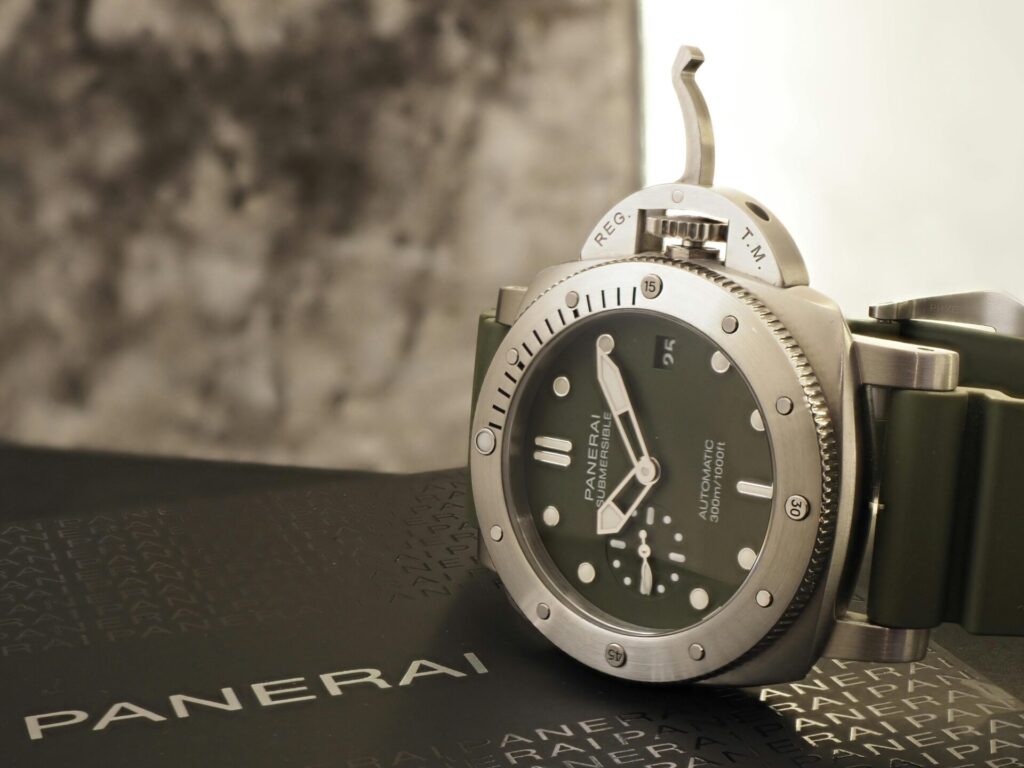
Heritage functions as both marketing and validation. A brand’s history—racing victories, expeditions, royal endorsements, and cinematic appearances—adds layers of perceived value. A Patek Philippe watch, for instance, is not merely a precision instrument but a cultural artifact symbolizing inheritance, craftsmanship, and exclusivity. This heritage allows brands to justify prices far above what production costs would suggest, creating a perception that their watches are investments as much as luxury objects.
Narratives also play a role in emotional attachment. Limited editions commemorate historical milestones or notable events, turning a watch into a collector’s item. The story behind a watch can drive demand exponentially higher than technical specifications alone would indicate. For example, watches tied to famous personalities or significant moments in history often sell for multiples of their base value. Even if two watches share identical calibers and materials, the one with the richer story commands premium pricing. Emotional resonance becomes a tangible asset, measurable only through market behavior rather than material analysis.
The interplay of heritage and narrative also reinforces brand exclusivity. By emphasizing scarcity, long waiting lists, and historical significance, brands cultivate the sense that owning a watch is akin to owning a piece of history. This perception of rarity, tied directly to the narrative of the brand, allows prices to soar well beyond logical production cost calculations, demonstrating the power of story in shaping economic reality.
Scarcity and the Psychology of Desire
Closely linked to heritage is the concept of scarcity, a psychological mechanism that allows watch prices to defy logic. Luxury watchmakers deliberately limit production of certain models to create demand that far exceeds supply. When a watch is scarce, it becomes desirable not only for its intrinsic qualities but also as a symbol of exclusivity and status. This principle is evident in iconic models such as the Rolex Daytona or Patek Philippe Nautilus, where waiting lists extend years and secondary market prices often exceed retail by several times.
Scarcity taps into human psychology. People are naturally drawn to rare objects, a principle dating back to the earliest collectors of art and antiquities. The fear of missing out (FOMO) amplifies this desire, pushing buyers to pay premiums that have little correlation to the watch’s material value. In some cases, scarcity is manufactured intentionally: brands announce limited runs, retire certain models, or adjust production unpredictably. These strategies manipulate perception and sustain high prices, often making watches more valuable as social signals than as functional devices.
Collectors also factor scarcity into pricing logic—or the lack thereof. The secondary market treats rare watches as investment vehicles, with values driven by auction dynamics, collector trends, and cultural buzz. A vintage steel Rolex Submariner can command exponentially higher prices than a gold model simply because it is perceived as rarer and more desirable. The paradox is that the same watch, in theory, could be produced indefinitely with minimal additional cost, but perception and scarcity create an entirely separate layer of value that overrides conventional market logic.
Scarcity also interacts with social validation. Owning a watch that others covet enhances social status and identity, reinforcing the willingness to pay exorbitant prices. The social proof of seeing peers or celebrities with coveted watches further inflates value, creating a feedback loop where demand sustains and justifies high pricing even in the absence of intrinsic cost rationality. In the watch world, desire is a more potent driver of price than utility, explaining why the market often seems illogical to outsiders.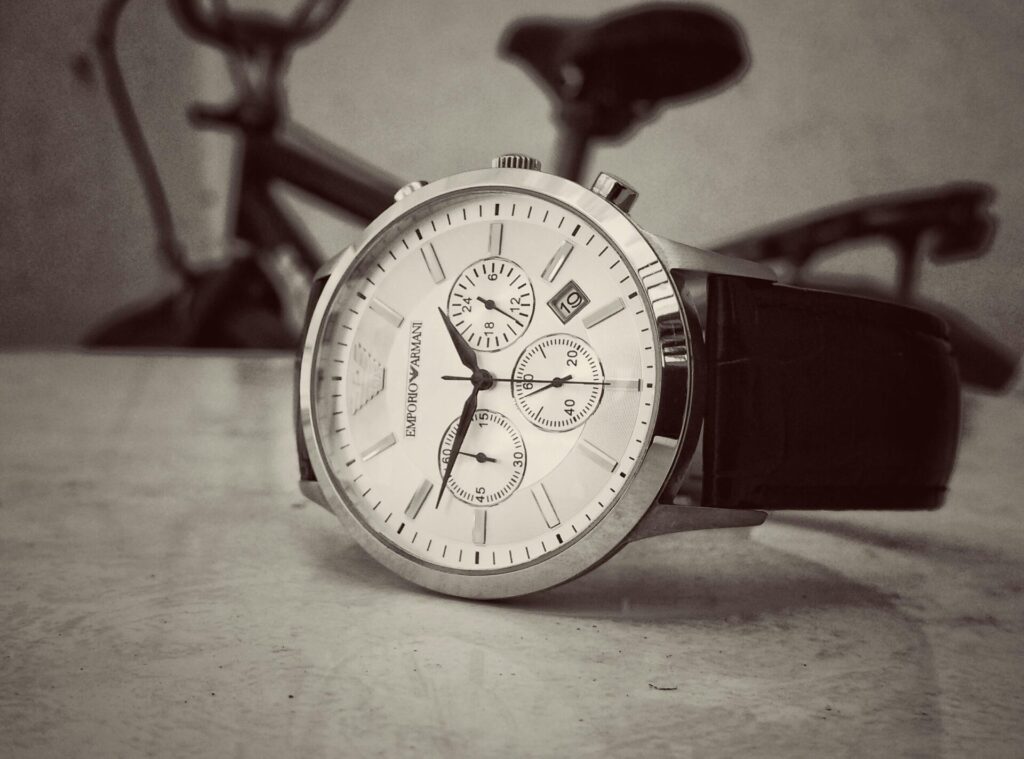
Craftsmanship, Complexity, and Technical Virtuosity
While heritage and scarcity explain part of the pricing puzzle, there is also a tangible component: craftsmanship and technical complexity. High-end watches are feats of mechanical engineering, often requiring hundreds of hours of meticulous labor from skilled artisans. Even small details, like hand-polished edges, precisely aligned gears, or intricate finishing on movement plates, contribute to value far beyond the material cost.
Complications—additional features such as chronographs, tourbillons, perpetual calendars, or minute repeaters—serve as another price multiplier. These mechanisms are incredibly difficult to design and assemble. A tourbillon, for example, is not essential for timekeeping accuracy but demonstrates a mastery of horological engineering. Watches with multiple complications showcase extreme technical virtuosity, signaling both artistry and intellectual achievement. The cost of these complications reflects expertise and rarity, not merely the materials used, which explains why watches with similar metals can have wildly different prices.
Even entry-level luxury watches benefit from this craftsmanship ethos. Subtle finishing, precise tolerances, and assembly quality elevate objects that are fundamentally simple from a functional standpoint. The difference between a luxury watch and a mass-produced counterpart is often invisible to casual observers, but experts recognize the meticulous work involved. This invisibility paradoxically amplifies desirability: part of the luxury appeal is that most people cannot immediately discern what makes the watch exceptional, yet they are compelled to trust in its craftsmanship. This trust allows brands to set prices that appear arbitrary to outsiders, grounded in skill, tradition, and reputation rather than objective measures of utility.
The combination of visual artistry and mechanical ingenuity reinforces the perception of watches as miniature sculptures. Collectors often describe admiration for a movement’s finishing or a dial’s symmetry, echoing the appreciation of an art connoisseur. This aesthetic dimension, intertwined with technical skill, further removes pricing from pure logic and situates it in a domain of cultural and emotional valuation.
Conclusion: Beyond Logic, Into Desire
In the end, watch prices ignore logic because they operate in a multi-dimensional value system that incorporates heritage, scarcity, craftsmanship, market psychology, and cultural meaning. While two watches might be technically equivalent, one may command ten times the price due to narrative, desirability, or market dynamics. Luxury watches are simultaneously tools, art objects, social signals, and investment vehicles. Evaluating them purely by cost or materials misses the layers of meaning that sustain high prices.
Understanding watch pricing requires accepting that value is not always rational in a traditional sense. It is mediated by human perception, emotion, and culture, and it thrives on scarcity, story, and status. This perspective reframes luxury watches not as irrational purchases but as objects where psychology and social context shape market reality more than logic ever could. Whether admired in a boutique, acquired on the secondary market, or studied by collectors, watches remind us that the objects humans cherish are often worth far more than the sum of their parts.
In the end, the apparent illogic of watch prices is itself a form of logic—one that prioritizes human desire, aspiration, and identity over material equivalence. It is a logic that defies calculators but resonates deeply in cultural and economic systems worldwide, proving that value is as much about perception as it is about production.