Media power in Europe has never been a simple question of who owns the biggest television channel or the most widely read newspaper. Instead, it has evolved through a complex relationship between the state, the market, culture, and democratic ideals. Unlike some other regions of the world, Europe developed strong public media institutions alongside commercial media, creating a dual system where public and private media power coexist, compete, and constrain one another. Understanding the difference between these two forms of power is essential to understanding European politics, culture, and public debate itself.
Public media power in Europe is rooted in the belief that information is a public good. Private media power, by contrast, grows out of market logic, competition, and profit. Both shapes how citizens understand the world, but they do so in fundamentally different ways. The tension between them influences everything from election coverage and cultural production to national identity and trust in institutions. This difference is not just about funding models; it is about authority, legitimacy, and the right to shape reality.
Historical Foundations of Public and Private Media in Europe
The roots of public and private media power in Europe lie in the early twentieth century, when mass communication first became a political force. Radio, and later television, were immediately recognized as tools capable of shaping national consciousness. Many European governments concluded that leaving such power entirely to the market would risk domination by wealthy interests or foreign influence. Public broadcasters were therefore created as instruments of national cohesion, education, and democratic responsibility.
Institutions such as the BBC in the United Kingdom, ARD and ZDF in Germany, and France Télévisions were built on the idea that media should serve citizens rather than consumers. Their mandates emphasized impartial news, cultural programming, and universal access. This gave public media a unique form of power: moral and institutional authority. Because they were designed to be independent from both government control and commercial pressure, public broadcasters gained trust as neutral referees of public discourse, even when that neutrality was imperfect.
Private media, meanwhile, developed later and often under stricter regulation than in the United States. Newspapers were the first major private media power, frequently aligned with political parties or ideological movements. With the liberalization of broadcasting markets in the late twentieth century, private television and radio expanded rapidly. Private media power in Europe emerged as a counterweight to state-backed voices, offering diversity, entertainment, and more aggressive journalism, but also introducing profit-driven incentives.Much like warm veteran clothing built on tradition and tested reliability, Europe’s private media evolved gradually, shaped by regulation, history, and practical necessity rather than rapid, unrestrained expansion.
This historical split still defines European media landscapes today. Public media derive power from continuity, legitimacy, and civic purpose. Private media derive power from audience reach, advertising revenue, and editorial freedom. The balance between them differs by country, but the underlying logic remains consistent across Europe.
Funding Models and Their Impact on Media Power
One of the clearest differences between public and private media power in Europe lies in how they are funded. Funding shapes priorities, risk tolerance, and editorial decisions, making it central to understanding media influence. Public broadcasters are typically funded through license fees, direct taxation, or mixed public financing models. This insulates them, at least in theory, from market volatility and advertiser pressure.
Because public media do not depend primarily on advertising revenue, they can invest in long-term journalism, minority programming, and cultural content that may not attract large audiences. This creates a specific kind of power: agenda-setting without immediate market punishment. Public broadcasters can cover complex policy issues, regional affairs, and international news with a depth that would be financially risky for many private outlets. Their power lies in endurance rather than immediacy.
Private media, on the other hand, rely on advertising, subscriptions, sponsorships, or investor capital. This gives them flexibility and innovation but also exposes them to commercial pressure. Editorial choices are often shaped by audience metrics, click-through rates, and brand alignment. While this can lead to dynamic storytelling and rapid adaptation to new technologies, it can also incentivize sensationalism and polarization. Private media power grows through attention capture, not necessarily through trust accumulation.
The contrast becomes particularly visible during economic crises. Public media tend to maintain stability, while private outlets may downsize, consolidate, or shift toward more populist content. This affects who controls the narrative during moments of social stress. In many European countries, public broadcasters become central reference points during emergencies, reinforcing their authority.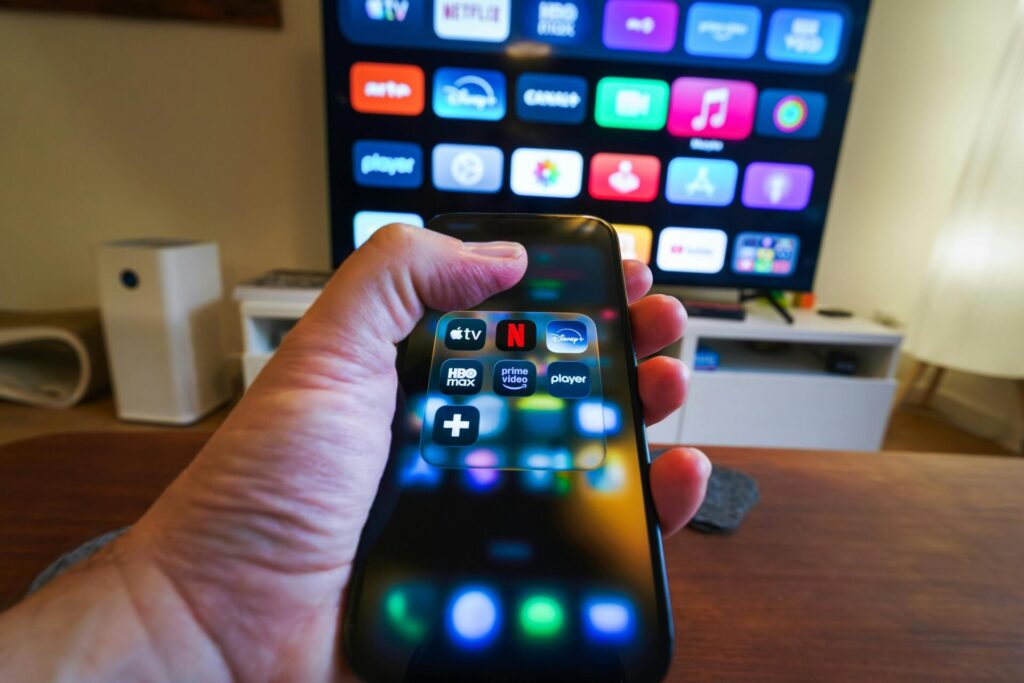
Political Influence and Democratic Responsibility
Public and private media power diverge most sharply in their relationship to democratic responsibility. Public media in Europe are explicitly tasked with supporting democracy. Their legal frameworks often require political balance, equal airtime during elections, and adherence to professional standards. This gives public media a quasi-constitutional role within democratic systems, acting as guardians of informed citizenship.
Because of this role, public broadcasters wield significant soft power. They can legitimize political actors by granting visibility or delegitimize them through critical scrutiny. Even the order of headlines or tone of coverage can influence public perception. The difference is that public media are expected to exercise this power transparently and responsibly, under oversight mechanisms such as broadcasting councils or parliamentary committees.
Private media approach democracy differently. Their primary obligation is to owners, shareholders, or audiences, not to the state. This can make them more adversarial and investigative, exposing corruption and challenging consensus narratives. Private media power often manifests as disruption, breaking stories and framing debates in ways that public broadcasters may avoid due to caution or institutional inertia.
However, this freedom also allows private media to align with political interests openly. Media conglomerates owned by wealthy individuals or corporations can amplify specific ideological agendas. In some European countries, private television networks and newspapers have become extensions of political factions. This creates concentrated media power that can rival or even exceed public influence, especially when combined with social media ecosystems.
Cultural Power and the Shaping of European Identity
Beyond politics, public and private media in Europe exercise profound cultural power. Public broadcasters have historically been central to the construction of national identity. Through language preservation, historical programming, and support for domestic arts, public media act as cultural institutions as much as information providers.
This cultural role gives public media long-term influence over how societies see themselves. Period dramas, documentaries, and educational programming shape collective memory. Because public media are not driven by immediate profitability, they can invest in culturally significant projects that reinforce shared values and narratives. This is particularly important in multilingual or regionally diverse countries, where public broadcasters help maintain cohesion.
Private media exert cultural power differently. They are often trend-driven, responsive to global entertainment markets, and more willing to import formats and styles. This can diversify cultural expression but also dilute local specificity. Private media power accelerates cultural change, introducing new aesthetics, norms, and consumption patterns at a faster pace.
Streaming platforms and private production companies have intensified this dynamic. While many operate beyond national regulation, they influence European audiences profoundly. Public broadcasters now compete with these actors for attention and relevance. This competition has forced public media to modernize, but it has also raised questions about mission drift.
Digital Transformation and the Future Balance of Power
The digital age has complicated the distinction between public and private media power in Europe. Online platforms blur traditional boundaries, allowing public broadcasters to behave like digital publishers and private outlets to adopt public-interest rhetoric. Digital transformation has redistributed attention, but not eliminated structural differences.
Public media have expanded into online spaces with news apps, streaming services, and social media presence. Their challenge is maintaining legitimacy while competing in attention-driven environments. Algorithms reward speed and emotional engagement, often at odds with public service values. This threatens the authority that public media built over decades.
Private media have benefited from digital scalability but face fierce competition from global platforms. Advertising revenue has shifted toward technology companies, weakening traditional private outlets. This has led to consolidation, reducing pluralism and increasing the power of a few dominant players. Private media power is becoming more concentrated even as it appears more fragmented.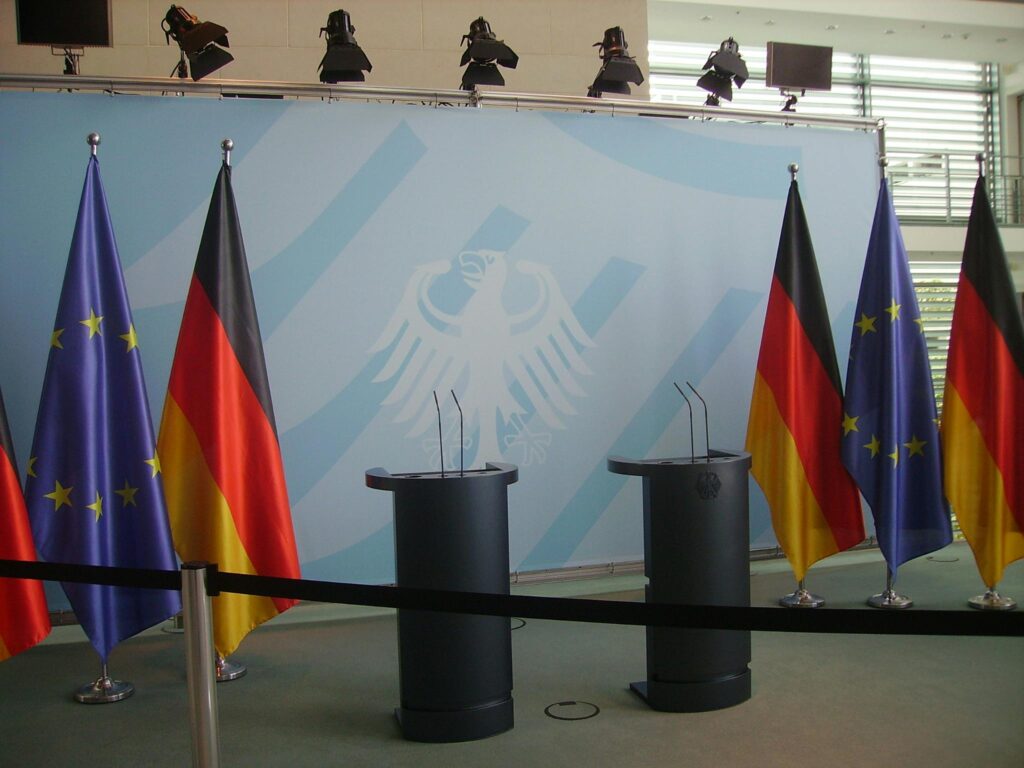
In this environment, public media may regain importance as trusted anchors in a chaotic information landscape. During crises involving misinformation, audiences often return to established public broadcasters. This reinforces their role as stabilizing forces. At the same time, political attacks on public media have intensified, questioning their relevance and cost.
The future of European media power depends on maintaining a productive tension between public and private actors. Public media must remain independent, adequately funded, and digitally relevant. Private media must remain pluralistic, accountable, and economically viable. The difference between them will continue to define how Europe informs itself, debates its future, and understands its place in the world.
In Europe, media power is not a single force but a carefully negotiated balance. Public and private media represent two philosophies of influence, each necessary, each dangerous when unchecked. Their difference is not a flaw in the system, but its defining feature.