
In the modern media landscape, the idea of choice is celebrated as one of the defining privileges of contemporary life. We open streaming platforms to tens of thousands of titles, scroll through endless social feeds, and browse digital marketplaces that appear to offer unlimited options. On the surface, this looks like empowerment. We believe we are selecting what we want, when we want, and how we want it. Yet beneath this apparent abundance lies an increasingly curated cultural world shaped by algorithms, corporate interests, and attention-economy incentives. The perception of freedom masks the reality that our experiences are guided, filtered, and channeled in ways we rarely notice.
The illusion begins with the psychological effect of abundance. When confronted with vast catalogs of content, we assume that more choices equate to greater autonomy. But real autonomy requires access to genuine diversity, not just quantity. A streaming service might boast tens of thousands of titles, but when recommendations are driven by user retention metrics, the front page becomes a narrow funnel of content selected not for its cultural value or personal relevance, but for its ability to keep us on the platform. Search functions, too, are never neutral. What appears first, what appears last, and what never appears at all are determined by systems optimized for engagement rather than breadth. Even seemingly simple choices, like browsing for patriotic men’s t-shirts, are shaped by algorithms that prioritize what is most likely to be clicked rather than what is most diverse or meaningful.
Social media platforms add another layer of curation disguised as choice. Algorithms determine what we see long before we make a conscious selection. Even when users believe they are choosing who to follow, platforms manipulate feed visibility based on prediction models that prioritize virality and emotional intensity. Our exposure becomes a product of engineered ecosystems rather than personal preference. The design of infinite scrolling, autoplay features, and personalized homepage suggestions further narrows the window of actual decision-making. We feel like we are choosing, but in reality, we are reacting to what is placed in front of us.
This curated environment has consequences for culture itself. Content creators tailor their work to fit the demands of algorithms, shaping formats, pacing, and themes around platforms’ invisible incentives. The result is a feedback loop in which diversity shrinks despite the proliferation of creators. Even independent voices must play by the rules of discoverability if they want to be seen. In this sense, curation does not broaden culture—it homogenizes it, rewarding familiarity and repetition.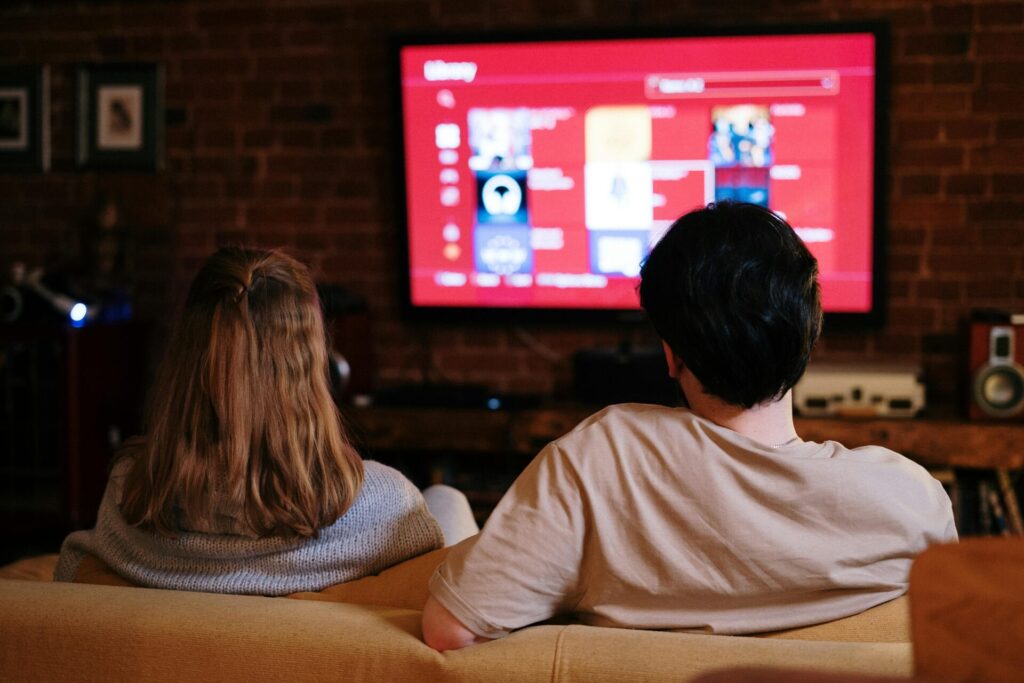
Algorithms, Attention, and the Invisible Hand of Selection
To understand how modern media creates the illusion of choice, we must examine the mechanisms that govern what we see. At the center of this system are algorithms designed to capture and retain attention. They function as invisible editors, selecting content based on predicted engagement rather than quality, diversity, or personal relevance in a holistic sense. Attention has become the currency of the digital world, and algorithms are its bankers, distributing visibility in a way that maximizes return.
The power of algorithms lies in their ability to learn and adapt. When a user pauses, clicks, likes, or shares, they generate behavioral data that feeds these systems. Over time, algorithms build highly specific profiles that predict what types of content will keep users engaged. This predictive power gives platforms unprecedented influence over individual preferences. What feels like personal taste may, in fact, be the result of algorithmic reinforcement, where certain interests are amplified and others quietly filtered out.
This filtering creates what media scholars call “algorithmic enclosures” —bounded informational ecosystems that reflect only a fraction of the available cultural landscape. Unlike traditional editorial curation, which is often guided by human judgment, these enclosures are shaped by computational efficiency and commercial objectives. The goal is not to broaden the user’s experience but to deepen their dependence on the platform. If a viewer shows interest in crime documentaries, the algorithm will not show them the full spectrum of documentary filmmaking; it will show them every possible variation of crime narratives, creating a tunnel of sameness that masquerades as personalized choice.
Furthermore, algorithms engage in predictive suppression—deciding not just what content to show, but what content to conceal. This unseen filtering shapes public discourse in profound ways. Entire genres of content may be pushed to the margins if they do not fit profitability models. Long-form articles may be deprioritized in favor of short, fast-consuming videos. Thoughtful commentary may lose visibility to inflammatory or sensational posts. The system’s silence becomes as influential as its recommendations.
The attention economy favors speed, emotion, and addictiveness, and algorithms amplify these traits. This distorts cultural consumption by rewarding content that performs well within these narrow parameters. As creators adapt to algorithmic pressures, cultural production itself becomes optimized for engagement rather than expression. Formats shrink. Messages simplify. Nuance fades.
Corporate Gatekeepers in a World That Claims to Be Democratic
The digital era promised a democratized media landscape where anyone could create, publish, and distribute content without relying on traditional corporate gatekeepers. In theory, platforms like YouTube, TikTok, and Instagram represent open arenas where creators compete on equal footing. But the reality is far more complex. While traditional gatekeepers such as television networks and publishing houses have lost some influence, they have been replaced by new corporate powers operating behind algorithmic curtains. These companies do not merely host content—they shape the conditions of visibility, monetization, and cultural legitimacy.
At first glance, digital media ecosystems appear decentralized. Millions of creators publish daily, contributing to an explosion of voices that far surpasses what legacy media could ever accommodate. However, the platforms themselves are centralized, controlled by a handful of corporations whose policies determine everything from what content is allowed to what content is amplified. Their influence is less visible than that of traditional gatekeepers, but it is more pervasive.
The shift from editorial control to algorithmic curation represents a transformation in how cultural authority is exercised. Traditional editors made decisions based on taste, cultural relevance, or editorial mission. Algorithmic gatekeepers make decisions based on engagement metrics, data models, and advertiser interests. This change profoundly alters cultural priorities. Topics that challenge, critique, or complicate may be deprioritized if they do not perform well within engagement-driven systems. Conversely, content that is emotionally charged, sensational, or easily consumable is rewarded.
Large corporations also exert influence through strategic partnerships with major media producers. Streaming platforms invest billions into original content, often shaping genres, aesthetics, and trends based on what aligns with their brand identity and subscriber-retention goals. These investments create cultural gravitational fields that pull creators toward certain themes and formats. When a platform funds a particular type of storytelling, it effectively sets the tone for an entire era of cultural production.
Reclaiming Agency in a Curated Landscape
If modern media constructs the illusion of choice through algorithms, corporate interests, and psychological design, the question becomes: how do we reclaim authentic agency? The challenge is significant because the systems shaping our cultural experiences are deeply integrated into the technologies we rely on daily. Yet awareness itself is a powerful first step. By recognizing that our choices are shaped, we begin to understand how to resist passive consumption and cultivate intentional engagement.
One approach to reclaiming agency involves diversifying information sources. Rather than relying solely on algorithmic feeds, users can seek out independent media, long-form journalism, and non-algorithmic platforms where visibility is not determined by engagement metrics. This requires effort and discipline because curated environments are designed for convenience. But genuine choice rarely aligns with convenience. It demands the active pursuit of perspectives not immediately placed before us.
Technical literacy also plays a critical role. Understanding how algorithms function—what data they collect, how they predict behavior, and why they prioritize certain content—enables users to interpret their media environment with greater skepticism. When viewers realize that autoplay is designed to override intentionality, or that recommendation systems reflect commercial incentives, they can make more conscious decisions about when to disengage.
Creators, too, can participate in reclaiming cultural diversity by resisting the pressure to tailor their work exclusively to algorithmic demands. The rise of newsletters, podcasts, and independent platforms demonstrates that audiences are willing to seek content outside traditional channels. While these forms may not generate the immediate visibility offered by major platforms, they foster direct relationships between creators and audiences, reducing dependence on corporate intermediaries.
Ultimately, reclaiming agency requires a cultural shift. We must value depth over speed, exploration over convenience, and intentionality over automation. This means resisting the temptation of infinite feeds and rediscovering the joy of deliberate selection—choosing books, films, articles, and creators because they enrich our understanding, not because they appeared on a curated homepage.
The illusion of choice loses its power once we commit to conscious engagement. In a world built on curation, genuine freedom comes not from having endless options, but from learning how to navigate them with clarity and purpose. When we understand how media systems shape the boundaries of our attention, we become capable of pushing those boundaries outward, rediscovering the vastness of culture beyond the narrow funnels of digital platforms.